Why We Keep Coming Back to Paper Notebooks
Every few years a new app promises to replace the notebook, and every few years the notebook quietly wins. Here is what paper still does better than any screen.

3 min read
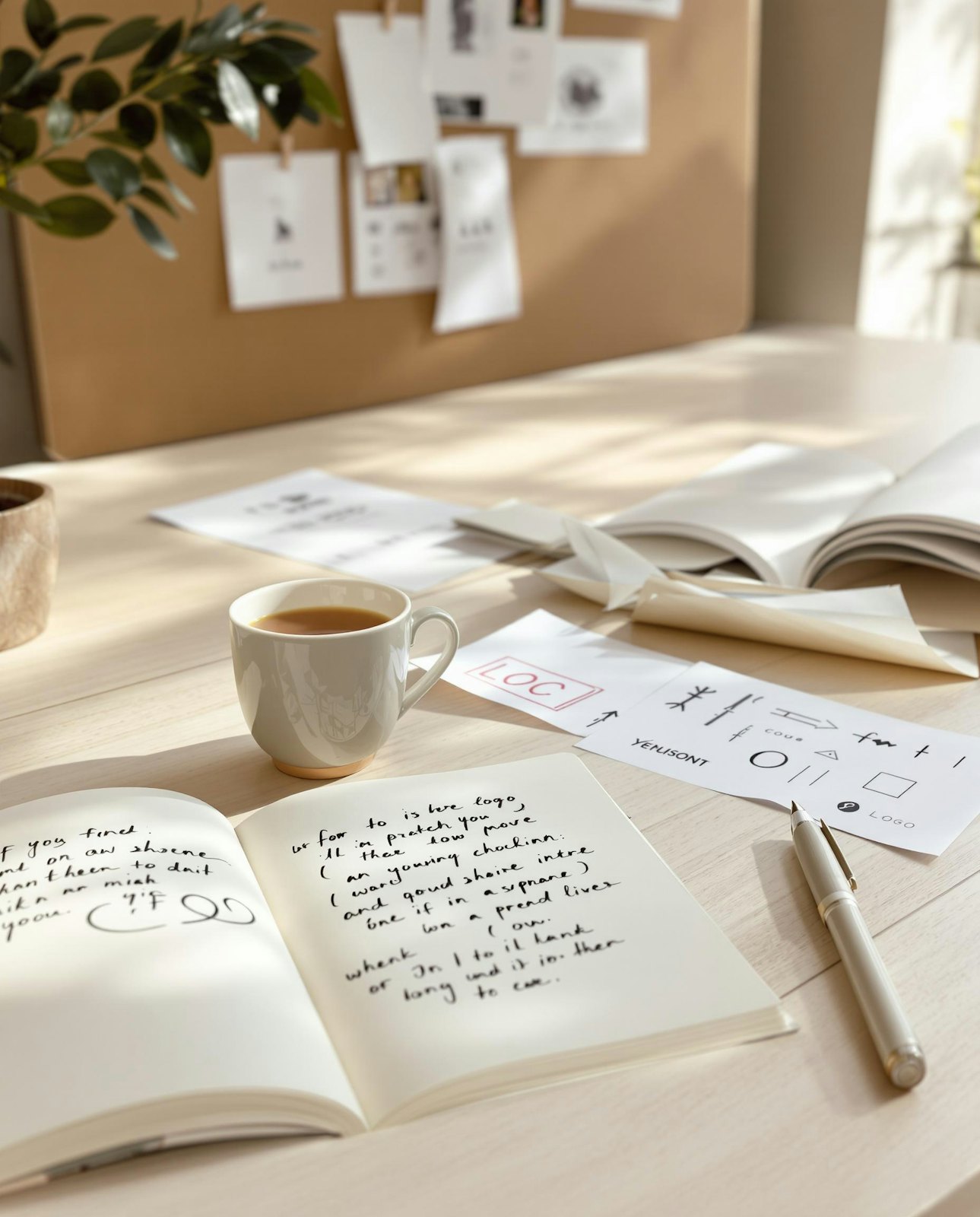
I have tried most of the apps. The ones with infinite canvases, the ones that sync across six devices, the ones that promise a second brain. Some of them are wonderful. And yet, on any given morning, the thing on my desk is a notebook with a soft cover, a pen I like a little too much, and a page I have not filled yet.
I used to think this was nostalgia. I now think it is something more practical: paper is very good at a few things that matter more than we admit.
Paper has no other tabs
A notebook can only do one thing. It cannot ping you, suggest a related document or remind you that a meeting starts in ten minutes. That limitation is the feature. When the only possible action is to write the next line, you tend to write the next line.
Researchers have spent years comparing handwritten and typed notes, and the findings keep pointing the same way: writing by hand is slower, and that slowness forces you to choose. You cannot transcribe everything, so you summarise, connect and rephrase. In other words, you think.
The page does not care how productive you are. It only asks what you meant.
Mess is allowed
Digital documents want to be finished. They come with fonts and headings and a cursor that blinks expectantly at the end of every sentence. A notebook page is happy to hold a half-formed idea, a crossed-out list and a small drawing of a chair you saw in a café, all at once.
That untidiness is where a lot of good work starts. Ideas rarely arrive in the right order, and paper lets them land wherever they want before you sort them out.
How to start a notebook habit that sticks
Buy a cheap notebook first. An expensive one feels too precious to ruin. You want something you can fill without ceremony.
Write the date at the top of every page. It turns a pile of notes into a record you can actually find your way through.
Keep it where you sit. A notebook in a drawer is a notebook you will forget. Leave it open on the desk or the kitchen table.
Review on Fridays. Ten minutes flicking back through the week is enough to rescue the ideas worth keeping.
Not instead of screens, alongside them
None of this is an argument against technology. I draft in a notebook and finish on a laptop, and this essay was typed. The point is simply to give your thinking a place that is not also your inbox.
So keep the apps. But the next time you are stuck, try closing them for twenty minutes and opening a page instead. The blank space will feel strange at first. Then it will feel like room.